

A Hi-Capa that shoots fast but misfeeds, locks up or starts light striking before you've even finished the first game isn't a good build. When you're learning how to build a Hi-Capa, decide what you actually want the pistol to do first. Whether it's a reliable skirmish pistol, a snappy speedsoft/CQB build or a full custom showpiece, the upgrades should match the goal - not the other way around.
A Tokyo Marui-spec Hi-Capa is the best place to start because there's a huge range of aftermarket parts available. That doesn't mean every expensive upgrade will just drop in and work perfectly together though. Every manufacturer uses slightly different tolerances, and things like magazines, gas, temperature and even how the pistol is assembled can all affect reliability. Upgrade in stages, test it after each change, and keep your original parts until you're happy everything is running as it should.
Plan the build before you fill the basket
Decide what you want to improve first: reliability, trigger response, cycle speed, range, appearance or HPA compatibility. Most practical builds need reliability and consistency ahead of outright speed.
Your budget matters too. You can build a pistol that looks incredible with a lightweight slide, outer barrel, grip and safeties, but it still needs the right internals to back it up. On the other hand, cramming every performance upgrade into a stock plastic slide will definitely make it perform better, but it won't stay that way for long. The slide, guide rod and other stock parts will wear much faster under the extra stress, and before long you'll be wanting to upgrade them anyway.
For your first build, it makes sense to keep the standard frame and grip, get a solid hop-up setup and have a clear plan for the slide and internals. Don't just fill your basket with parts because everyone else is buying them. That said, popular parts are usually popular for a reason—they've been tried, tested and proven. Just make sure they suit the build you're trying to achieve.
Start with the right base pistol
Before you start upgrading, make sure the pistol is working properly to begin with. Check the slide cycles smoothly, the nozzle returns properly, the magazine locks in securely and the hop-up is applying even pressure. A worn magazine feed lip, damaged nozzle or weak nozzle spring can cause problems that are often blamed on the latest upgrade, when in reality the issue was already there.
Give the pistol a proper clean before you start swapping parts. Remove any old grease and dirt from the slide rails, blowback unit and magazine. When it's time to lubricate, use the right products in the right places. 4uantum Tech Pen set is a great option as it includes everything you need. Use silicone oil on O-rings and seals, and a light grease on metal-to-metal contact points. Don't overdo it though—too much lubricant will only attract dirt and can eventually work its way into the hop-up, causing more problems than it solves.
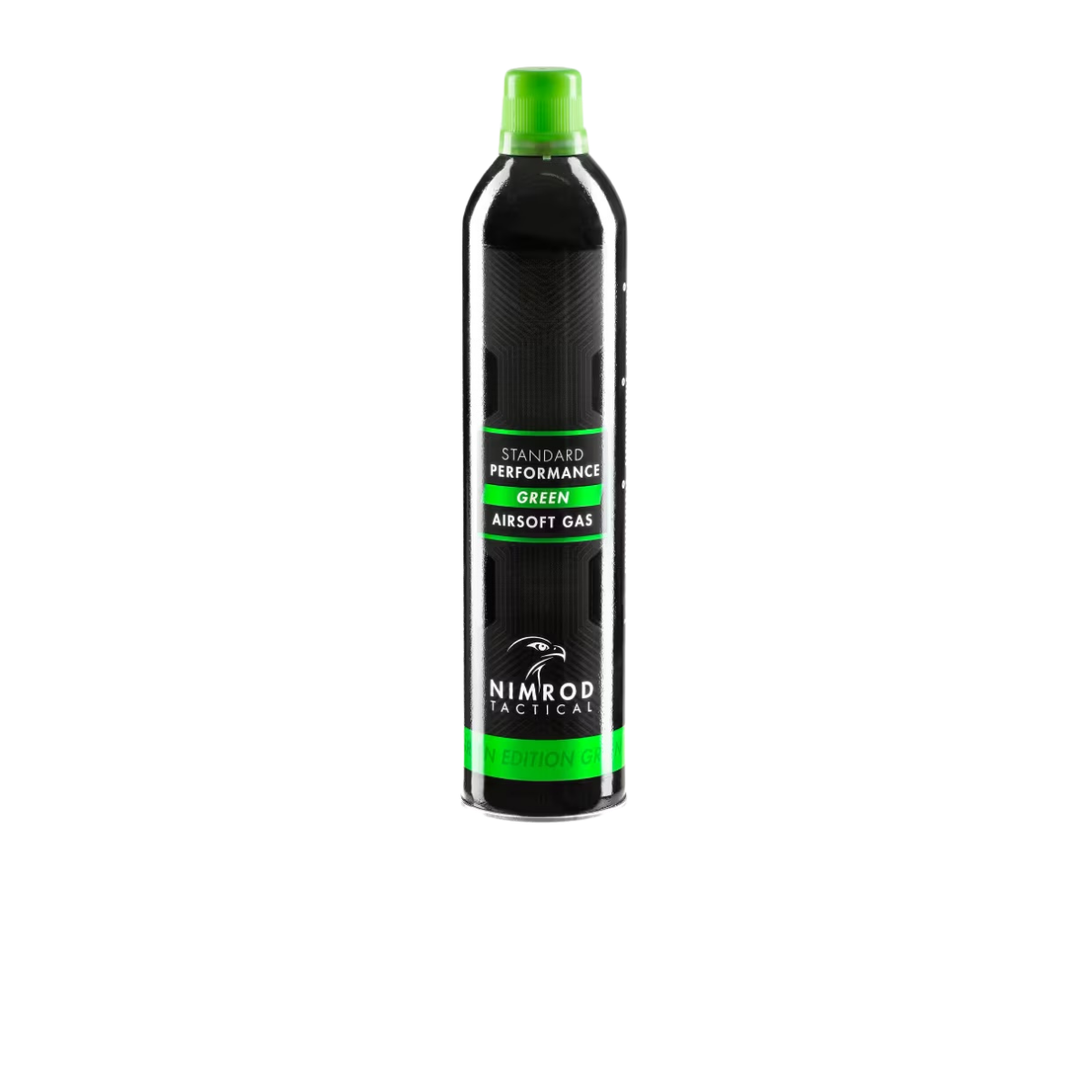
Always test the pistol with the gas and BB weight you intend to run. A build that feels perfect indoors can behave very differently on a cold UK game day. If you decide to move over to HPA, don't think of it as a shortcut. You'll still need to tune the pistol properly, find the right operating pressure and make sure it's set up within your site's limits.
Build the air seal and feeding system first
The nozzle, nozzle spring, blowback unit and magazine gas router are what keep a Hi-Capa cycling consistently. If you've got a leak or the nozzle isn't sealing properly, fitting a lightweight slide or a stronger recoil spring isn't going to fix it - it'll just hide the real problem for a while. Make sure the nozzle moves freely inside the blowback unit, returns smoothly every time and isn't catching anywhere. Keep the nozzle O-ring lightly lubricated and check it regularly for wear, as it's one of the most common causes of poor gas efficiency and inconsistent cycling. One other major factor is the wrong O-ring used, if it's too tight on the inside of the nozzle this can cause issues too - it has to be just right.
Don't forget about your magazines—they're just as important as the pistol itself. Use good quality gas, keep the fill and release valves in good condition, and always store your magazines with a little gas left in them to help keep the seals healthy. If one magazine starts causing problems while the others are running fine, chances are the issue is with the magazine, not the pistol. Always rule that out before you start changing parts.
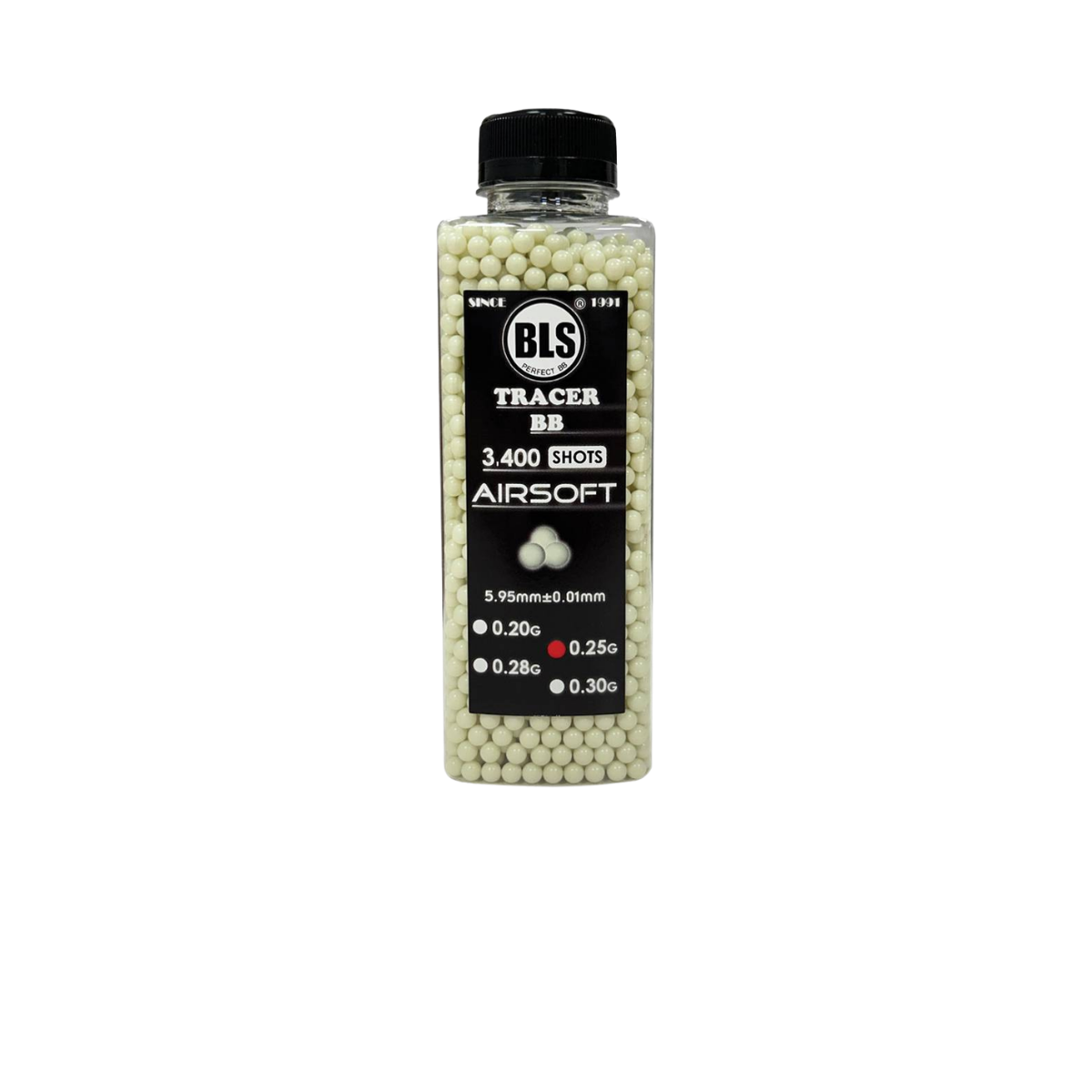
The nozzle, magazine feed lips, hop chamber and BBs must work together. Use quality BBs and do not assume that a high-capacity magazine or HPA adapter will cure a poor feeding problems. If feeding becomes unreliable after an upgrade, stop and identify which change introduced it.

How to build a Hi-Capa for accuracy
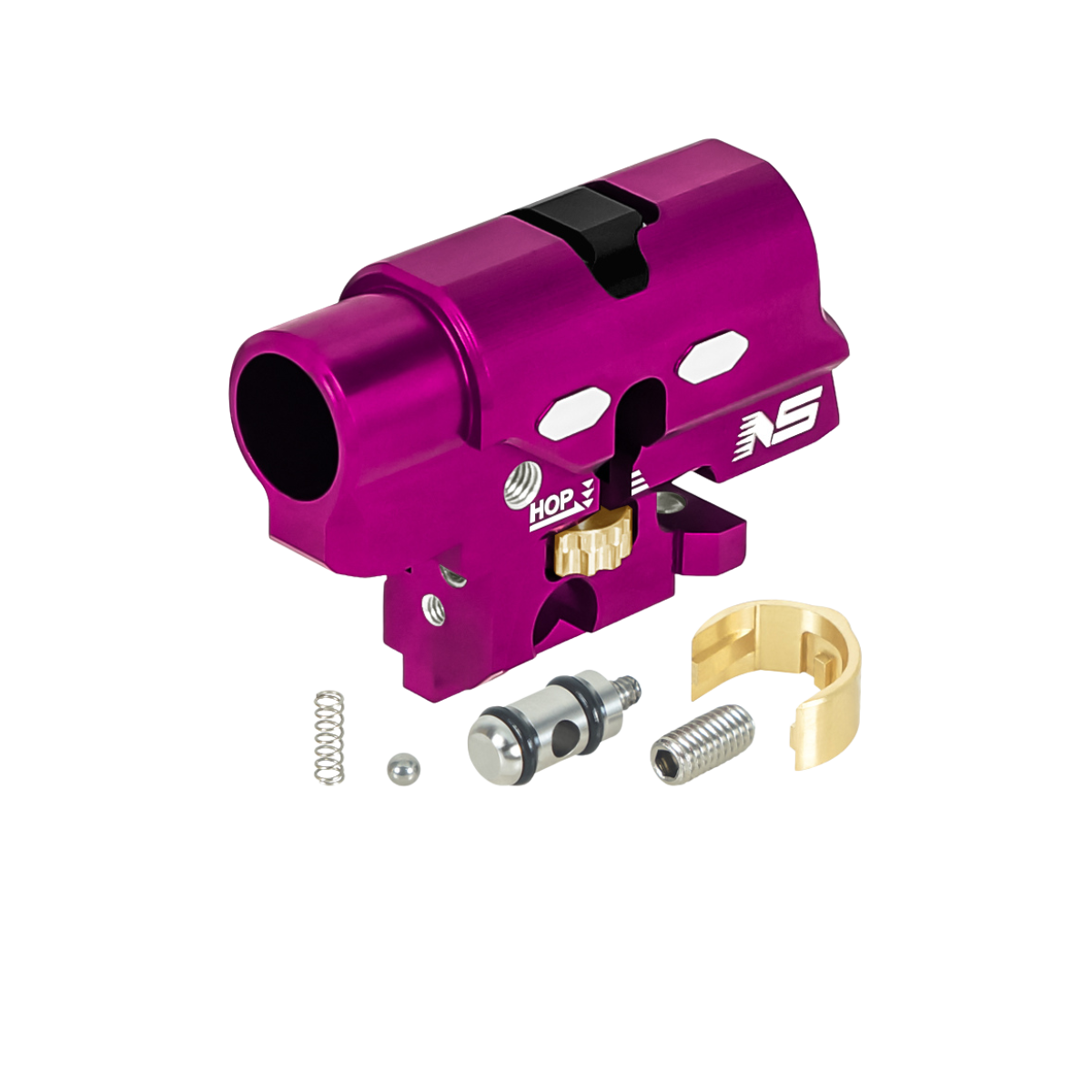
A Hi-Capa will benefit far more from a solid hop-up setup than simply fitting the longest inner barrel you can find. Start with a quality hop rubber and, if needed, upgrade to a good hop unit if the stock one won't hold its adjustment or apply consistent pressure for the weights you want to use. Match the hop rubber to the way you use the pistol too. The right hardness will depend on your BB weight, power output of your Hi-Capa and the temperatures you normally play in.
In the UK, you'll often get better consistency from heavier BBs, provided your hop-up can lift them properly. Take the time to test your setup and only change one variable at a time. Swap BB weight, test it. Change the hop rubber, test it again. Making multiple changes at once might save time, but it makes it almost impossible to work out what actually improved the pistol.
An aftermarket inner barrel can improve consistency and accuracy, but only if it's fitted correctly. Make sure the hop rubber is fully seated on the barrel and located in all the correct grooves. The barrel and hop rubber then need to sit correctly inside the hop unit, using the locating lugs designed for that particular unit. Every hop unit is slightly different, but the principle is the same. Once assembled, check how the hop unit sits in the frame. The inner barrel & hop unit should sit as close to parallel with the frame as possible and shouldn't have excessive play. If the barrel is sitting at an angle, you'll often see inconsistent hop, poor accuracy, feeding issues and excessive wear on the outer barrel and slide.
Match the slide, recoil system and short stroke
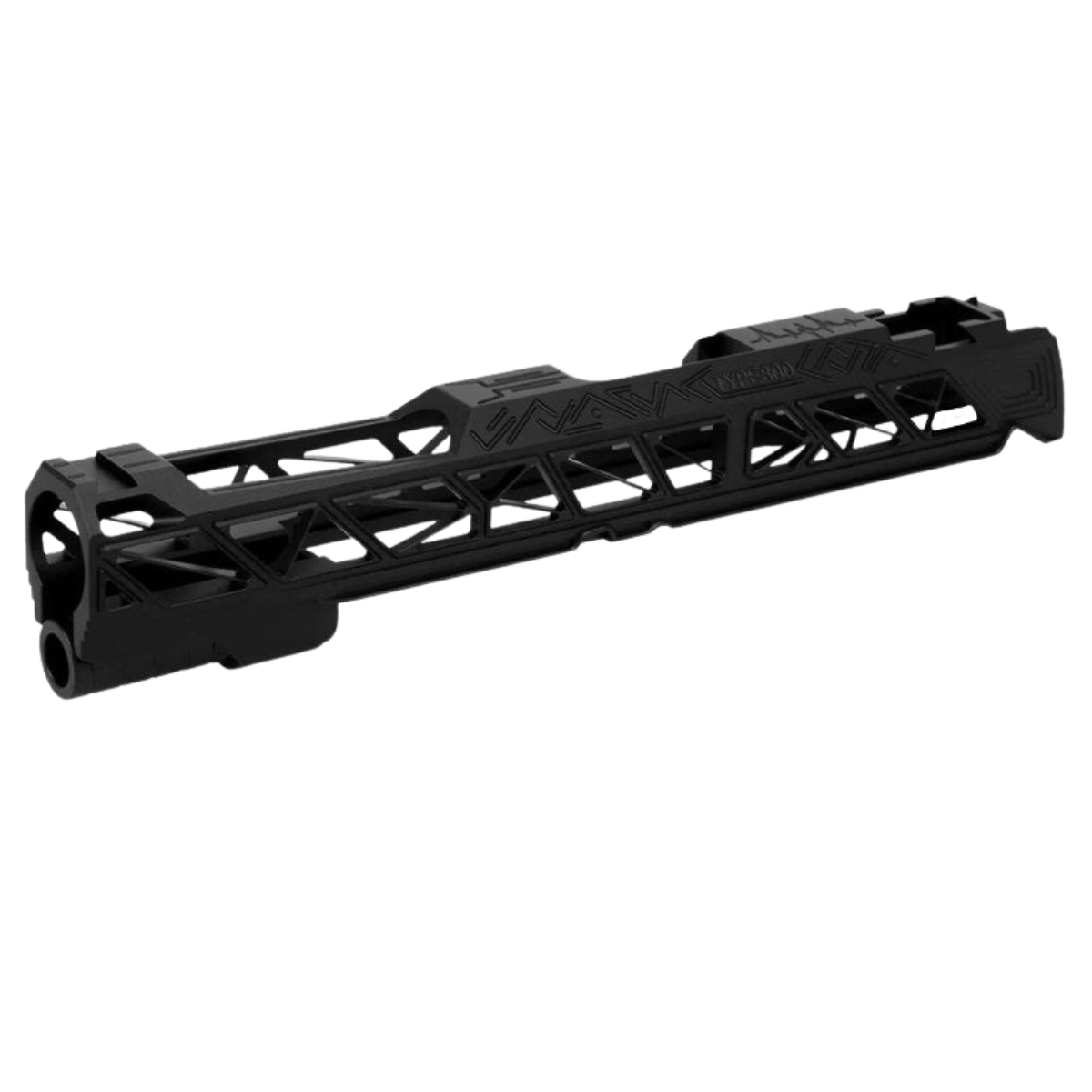
This is where many Hi-Capa builds become either properly tuned or unnecessarily temperamental. A lightweight aluminium slide reduces the mass the gas system has to move, often improving response and helping cold-weather performance. However, it changes the balance of the whole cycle. The recoil spring, hammer spring, nozzle return spring and buffers must be selected to suit it.
Short-stroking reduces slide travel using buffers on the guide rod. Done sensibly, it can make the pistol feel faster and reduce the time between shots. Done excessively, it can create poor feeding, inconsistent lock-back or impact between parts that were not designed to meet so abruptly. Start with minimal short-stroke adjustment and increase only after several magazines of reliable testing.
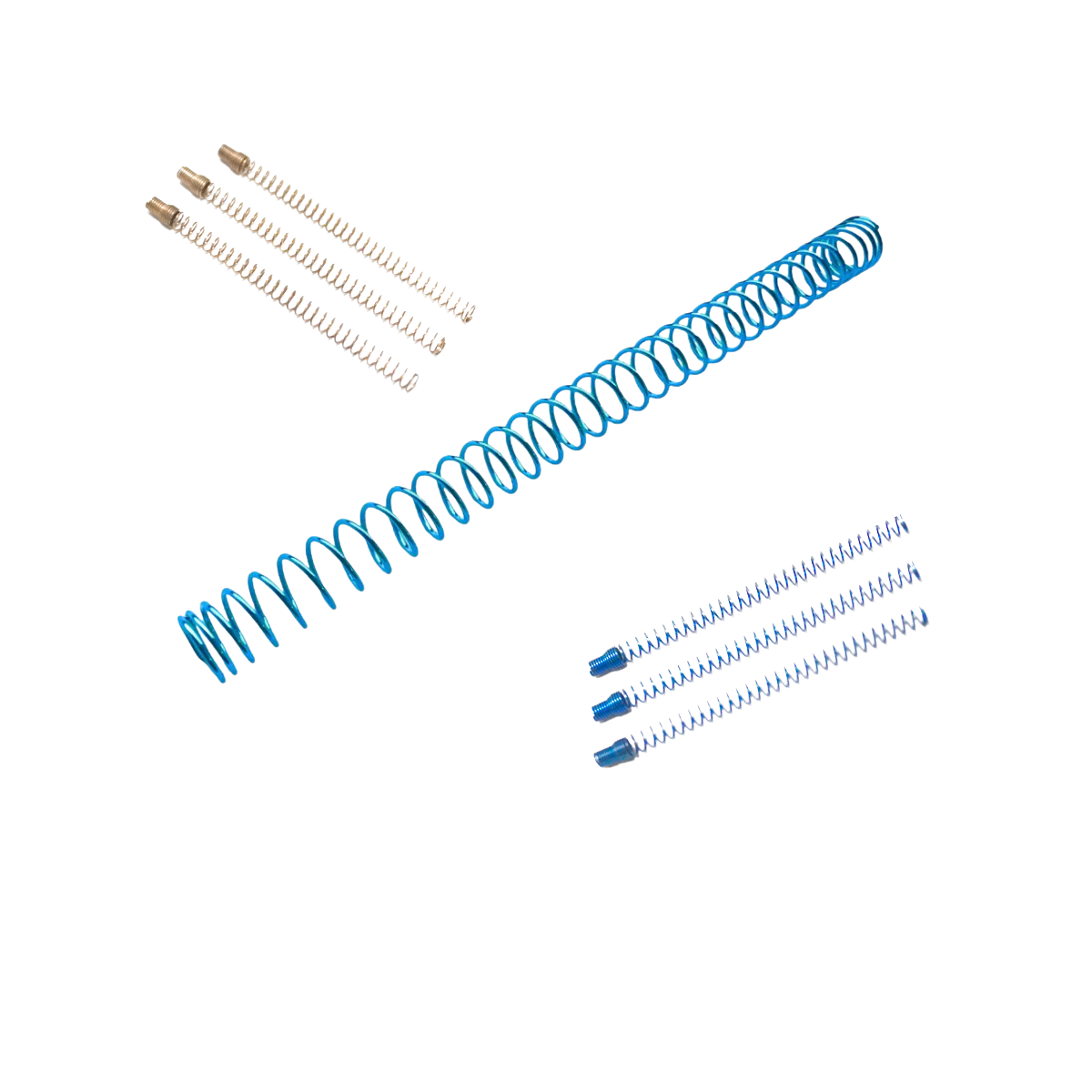
A recoil spring that is too strong can slow cycling and make the pistol work harder than necessary. One that is too weak may allow harsh slide movement or inconsistent return to battery. There is no universal spring combination because slide weight, gas, temperature and short-stroke length all change the answer.
Improve the controls where they change your use
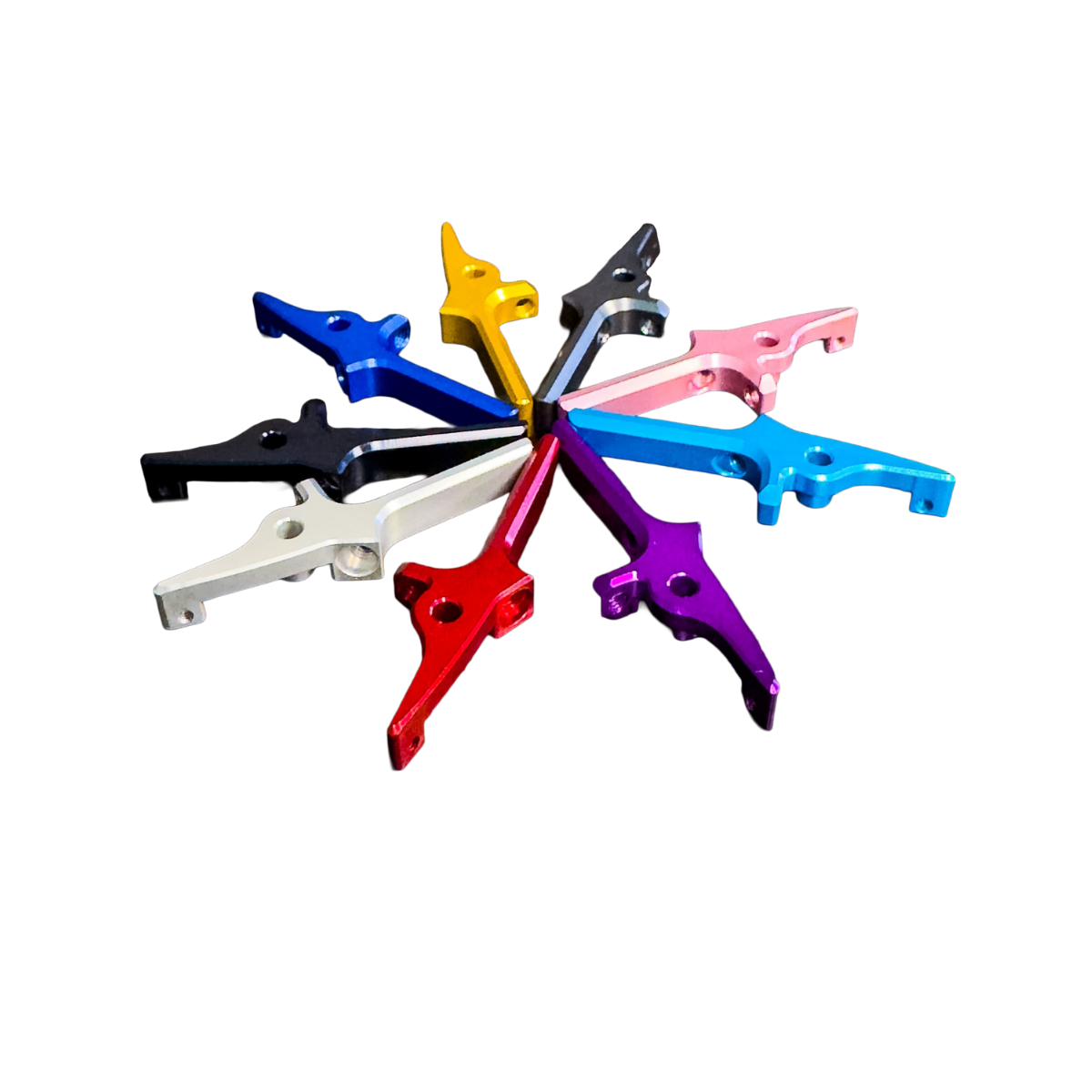
Triggers, safeties, magazine catches, slide releases and grips are worthwhile when they improve the way you operate the pistol. A flat trigger with adjustable pre-travel and over-travel can give a cleaner feel, but it does not create a lighter pull by itself. Trigger feel comes from the relationship between the trigger bar, sear, hammer and leaf spring.
If you are fitting a custom grip, check compatibility with the frame, magazine release and mainspring housing. If you are changing the hammer assembly, approach it as a matched mechanism rather than isolated parts. Poor engagement or incorrect adjustment can cause unreliable firing behaviour. If you are not confident inspecting sear and hammer engagement, use a competent airsoft technician.
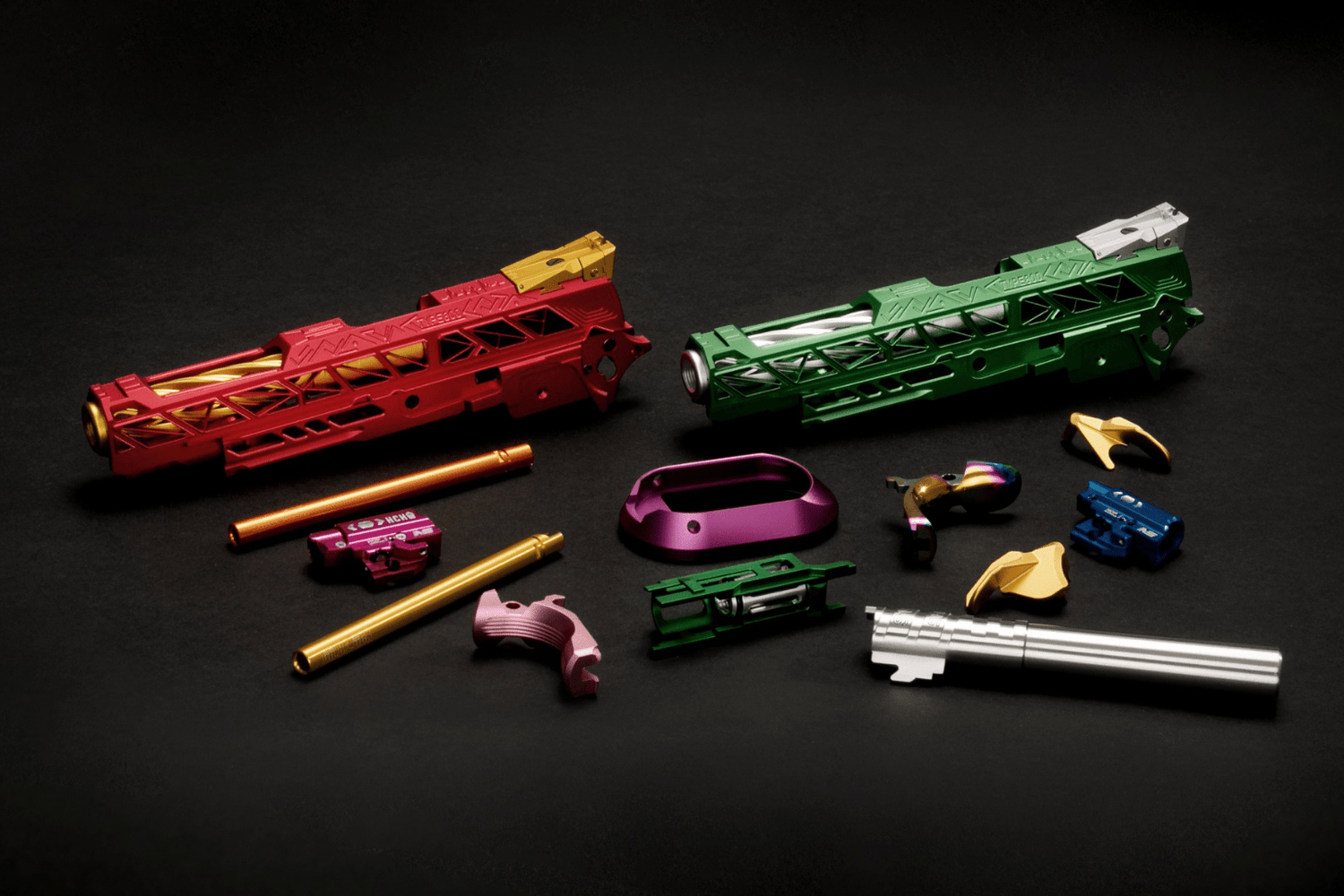
External parts should also earn their place. A fixed outer barrel, compensator or flared magwell can suit a competition-led build, while a more restrained slide and grip combination may better suit a practical sidearm. The best-looking Hi-Capa is still frustrating if it cannot be holstered, reload cleanly or survive a full game day.
Test every stage, then chrono it
After each meaningful change, function-test safely with eye protection. Check cycling, feeding, slide return, safety operation and magazine retention. Fire enough rounds to see whether the issue appears only after the pistol warms up, cools down or approaches the end of a magazine.
Chronograph the pistol with the BB weight and gas source you will use on site. UK site limits vary, and HPA set-ups must be checked carefully for consistent output rather than judged from a single reading. Never assume an upgrade is within limits because a similar build was previously acceptable.
Keep a short build record: the slide and recoil set-up, nozzle, hop components, BB weight, gas or regulator pressure, and chrono results. It saves time when diagnosing a fault months later and makes future changes far less guesswork-driven.
A properly built Hi-Capa is not the one with the longest specification sheet. It is the pistol that feeds every magazine, shoots predictably at your chosen range and feels right in your hands. Buy for that result, fit one system at a time, and let reliable performance decide what the next upgrade should be.

Leave a comment
All comments are moderated before being published.
This site is protected by hCaptcha and the hCaptcha Privacy Policy and Terms of Service apply.